Our homes often contain much more than furniture and everyday belongings. They hold years of memories, family photographs, clothes from different periods of our lives, paperwork, gifts, and objects we may not have used in a long time.
For this reason, organizing our home is not always simple cleaning project. Deciding what to keep and what to release can become an emotional process.
We may open a closet with the intention of cleaning it, find something connected to an important memory, and suddenly lose our motivation. We close the door and tell ourselves that we will deal with it another day.
The good news is that we do not have to organize everything at once. We can take small steps, and today AI can make those steps easier.
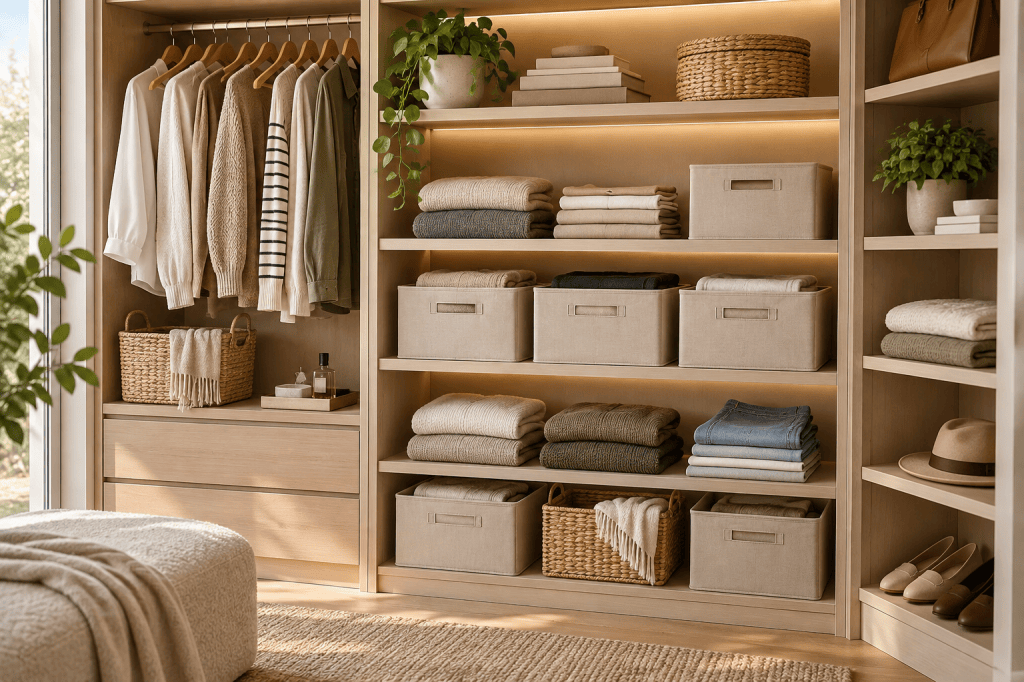
Why Decluttering Can Feel More Difficult After 50
As the years pass, we naturally collect more belongings. Some are useful, while others represent people, experiences, or earlier versions of ourselves.
A dress remind us a special celebration. A box may contain our children’s schoolwork. Old documents might represent years of work and responsibility. Even items we no longer use can be difficult to discard when they carry emotional meaning.
This does not mean that we are lazy or incapable of being organized. Sometimes, we simply need a gentler way to make decisions.
Instead of asking, “Why is my house so cluttered?” we can ask, “What do I want my home to feel like during this stage of my life?”
Perhaps we want it to feel peaceful, comfortable, welcoming, or easier to maintain. That answer can guide every decision that follows.
Start With 10 Minutes
One of the biggest mistakes we make is believing that we need an entire day to organize our home. When a project feels too large, it becomes easier to postpone it.
Choose one small area: a single drawer, one shelf, your bathroom counter, or part of a closet. Set a timer for 10 minutes and work only in that space.
Separate the items into simple categories:
Keep and use
Donate or give away
Throw away or recycle
Decide later
The “decide later” category is especially helpful for sentimental items. You do not need to make every emotional decision immediately. Place those objects in one clearly labeled box and return to them when you feel ready.
Small accomplishments create momentum. One organized drawer may appear insignificant, but it gives us proof that change is possible.
How AI Can Become Your Personal Organizing Assistant
Many people think AI is only for businesses or technology experts. In reality, AI tools such as ChatGPT can help with ordinary household tasks.
For example, you can ask:
” Create a 15-minute daily plan to organize my kitchen” https://amzn.to/4di7iuj
” Give me a checklist for sorting important household documents” https://amzn.to/4xJHu2E
” Help me decide which financial records I should keep.”
” Create a 7-day closet cleaning plan.”
” What questions should I ask myself before keeping a sentimental item?”
” Help me make an inventory of items I want to donate.”
AI can break a large project into smaller, more manageable steps. You can explain how much time you have, which room you want to organize, and what makes the task difficult. It can then create a plan designed around your situation.
For example, you might write:
” I am over 50, I have many sentimental belongings, and I become overwhelmed when I try to organize everything. Please create a gentle 7-day plan requiring only 15 minutes each day.”
Within seconds, you will have a simple starting point.
Use AI to Organize Paperwork
Paperwork is one of the most common sources of household clutter. We may keep old bills, warranties, receipts, insurance documents, medical records, and tax papers because we are uncertain about what can safely be discarded.
AI can help you create categories and filing labels. It can also prepare a checklist of documents to review. However, it is important not to upload papers containing Social Security numbers, bank account information, medical details, passwords, or other private information. For financial, tax, medical, or legal records, use AI only for general organization. Ask a qualified professional before destroying anything important.
Once we have cleared a space, we can add a few carefully chosen elements that make the home feel warm and welcoming.
Use Warm Lighting https://amzn.to/46eVHIL
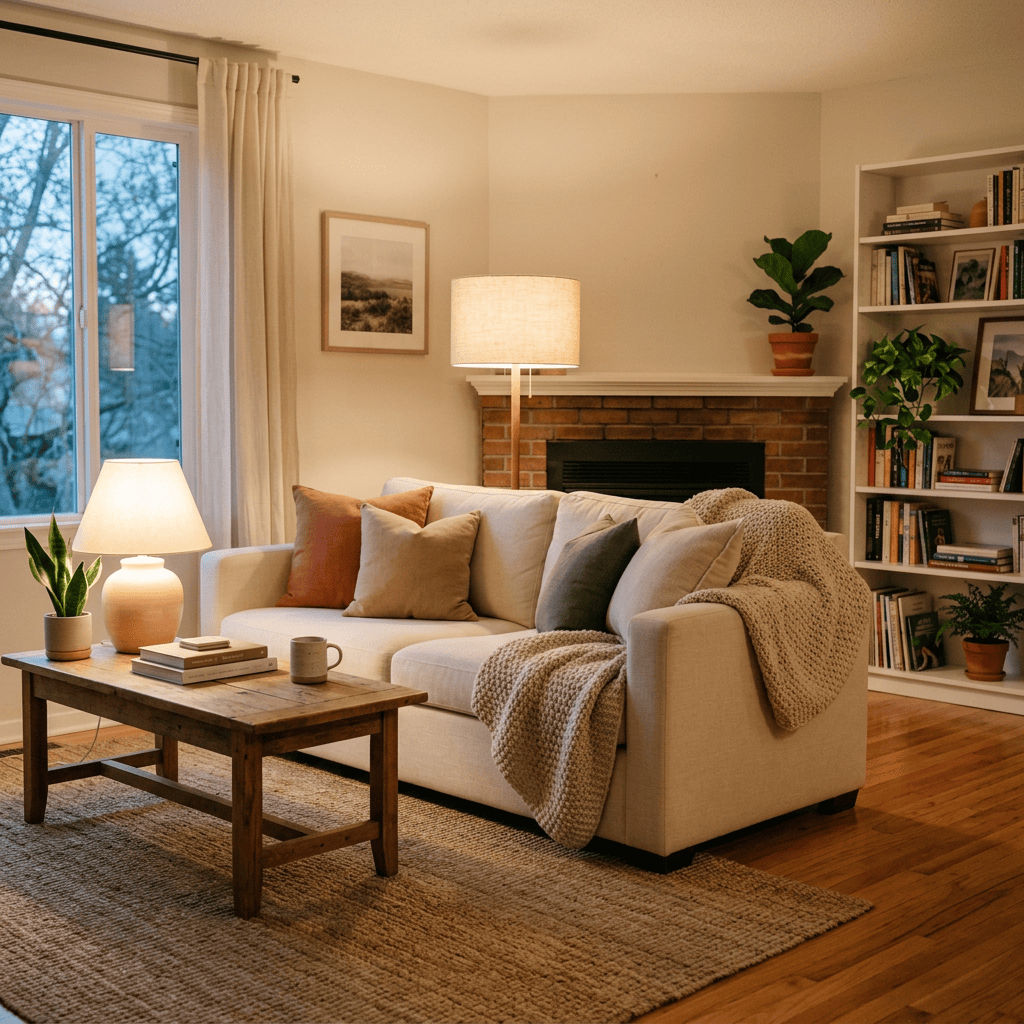
Lighting can completely change the atmosphere of a room. Bright ceiling lights are useful, along with table lamps, floor lamps, and small lights in different corners of the room. Choose warm-white bulbs instead of very bright, cool-white lighting.
Bring Nature Inside https://amzn.to/3UEyCN3
Plants, fresh flowers, wooden decorations, stones, and natural baskets can make a room feel more peaceful and alive.
You do not need to fill the house with plants. One healthy plant near a window, a small vase of flowers on the table, or a bowl of lemons in the kitchen can add freshness and color. https://amzn.to/4r105EX
Add Soft Textures
Soft materials give a room warmth and comfort. Consider adding:
Comfortable pillows, a soft blanket over the sofa, curtains that allow natural light to enter, a warm rug, cotton or linen tablecloths.
Create one special corner for yourself. It could be a chair near a window with a lamp and a small table. It might be a reading corner, a place to enjoy morning coffee, or an area for music and creativity.
These details do not have to be expensive.
Choose Colors That Make You Feel Good
Warm neutral colors, such as beige, soft brown, warm white, or light terracotta, can create a calm foundation.

Ask AI To Help You Decorate
AI can help you discover decorating ideas without requiring you to hire a designer. You can describe your room, its size, the furniture you already own, your favorite colors, and your budget. Then ask AI to suggest affordable ways to make the room feel warmer.
A beautiful home is not created by purchasing many new things. It is created by choosing what deserves a place in our lives and arranging those things with care.
Your Home, Your New Chapter
Your home does not need to be perfect or expensive to make you happy. It simply needs to feel like you, a place where you can relax, breathe, and enjoy this chapter of your life. Begin with one small change: clear one corner, add a plant, place a soft throw on a sofa, or turn on a warm lamp. Sometimes, the smallest changes can bring completely new energy into a home.
What is one small change you could make today to bring more warmth and happiness into your home?


Leave a comment